

Food and Mood: How What We Eat Affects Mental Health
Most of us know that food affects our bodies. We think about energy, weight, and heart health. We think less often about our mood. Yet anyone who has skipped lunch and snapped at a family member, or reached for comfort food after a rough day, already knows that eating and feeling are tied together.
Over the past decade, researchers have taken that everyday observation seriously. A growing field, sometimes called nutritional psychiatry, studies how food may influence anxiety, depression, and overall well-being. The findings do not mean that food causes or cures mental health conditions. They do suggest that what is on our plates may be one small piece of a much bigger picture.
What the Research Shows
Ultra-processed foods are products made mostly from industrial ingredients, such as packaged snacks, sugary drinks, instant noodles, many frozen meals, and fast food. They are convenient, affordable, and everywhere, so most of us eat them at least some of the time.
A large review of studies on ultra-processed food and mental health found that people who ate more of these foods had a higher risk of developing depression over time and higher odds of reporting anxiety symptoms.1 In the long-term studies, the higher-intake group had about a 22 percent higher risk of depression. In studies that looked at people at a single point in time, the odds of anxiety symptoms were about 48 percent higher.1
It is important to clarify what this does and does not mean. These studies show an association, not proof that one thing causes the other. Someone who feels low or overwhelmed may reach for quick food simply because they have less energy to cook. Income, sleep, stress, and access to fresh food all play a role too. The link is real enough to take seriously, but it is not a reason for anyone to feel guilty about a bag of chips.
Why Food May Affect Mood
Scientists have proposed several ways food could influence the brain, and they probably work together. One is inflammation: what we eat may affect how much low-grade inflammation the body carries, and inflammation has been linked to depression. Another is the gut, which is home to a huge community of bacteria that communicate with the brain, and what we eat shapes which of those bacteria thrive. Researchers have also pointed to stress hormones and to the substances that help brain cells grow and repair themselves. Whole foods also supply nutrients, such as vitamins, that the brain relies on.2
Researchers describe these pathways as complex and closely linked, and they note that most of the evidence so far comes from animal studies, so more research in people is needed.2
Food, Mood, and Children and Teens
Young people are still growing, and their eating habits usually take shape at home. A review of studies in children and adolescents found that unhealthy eating patterns were linked to poorer mental health, while a good-quality diet tended to go along with better mental health.3 The same review found some evidence that the relationship runs both ways, meaning a child who feels down or anxious may also eat differently.3
A more recent review of studies that followed teenagers over time reached a similar conclusion. Healthier eating patterns were often linked to fewer depressive symptoms, and poorer diet quality was linked to more psychological distress.4 The authors also noted that the evidence is still limited, with small studies and results that shift once factors like family income are taken into account.4 In other words, food is one influence among many in a young person's life.
For parents, that is worth keeping in mind. A teenager who suddenly skips meals or eats far more than usual may be telling you something about how they feel. A calm, curious conversation usually helps more than a lecture about food.
Can Eating Better Help?
Some of the most encouraging evidence comes from a small 12-week randomized trial of adults with moderate to severe depression. One group had seven sessions with a dietitian, who helped them move toward a Mediterranean-style way of eating built around vegetables, fruit, whole grains, beans, nuts, fish, and olive oil. The comparison group received friendly social support on the same schedule. Most participants in both groups were also continuing their usual treatment, such as medication or therapy. The group that changed their eating showed significantly greater improvement in depression symptoms.5 The authors described the results as preliminary and called for larger studies.5
This does not mean food replaces therapy or medication. For anyone living with depression or anxiety, professional care remains the foundation. But it does suggest that eating well can be a helpful addition alongside treatment.
Tips for Healthier Eating Habits
Small, steady changes tend to last longer than big overhauls. You may find it helpful to:
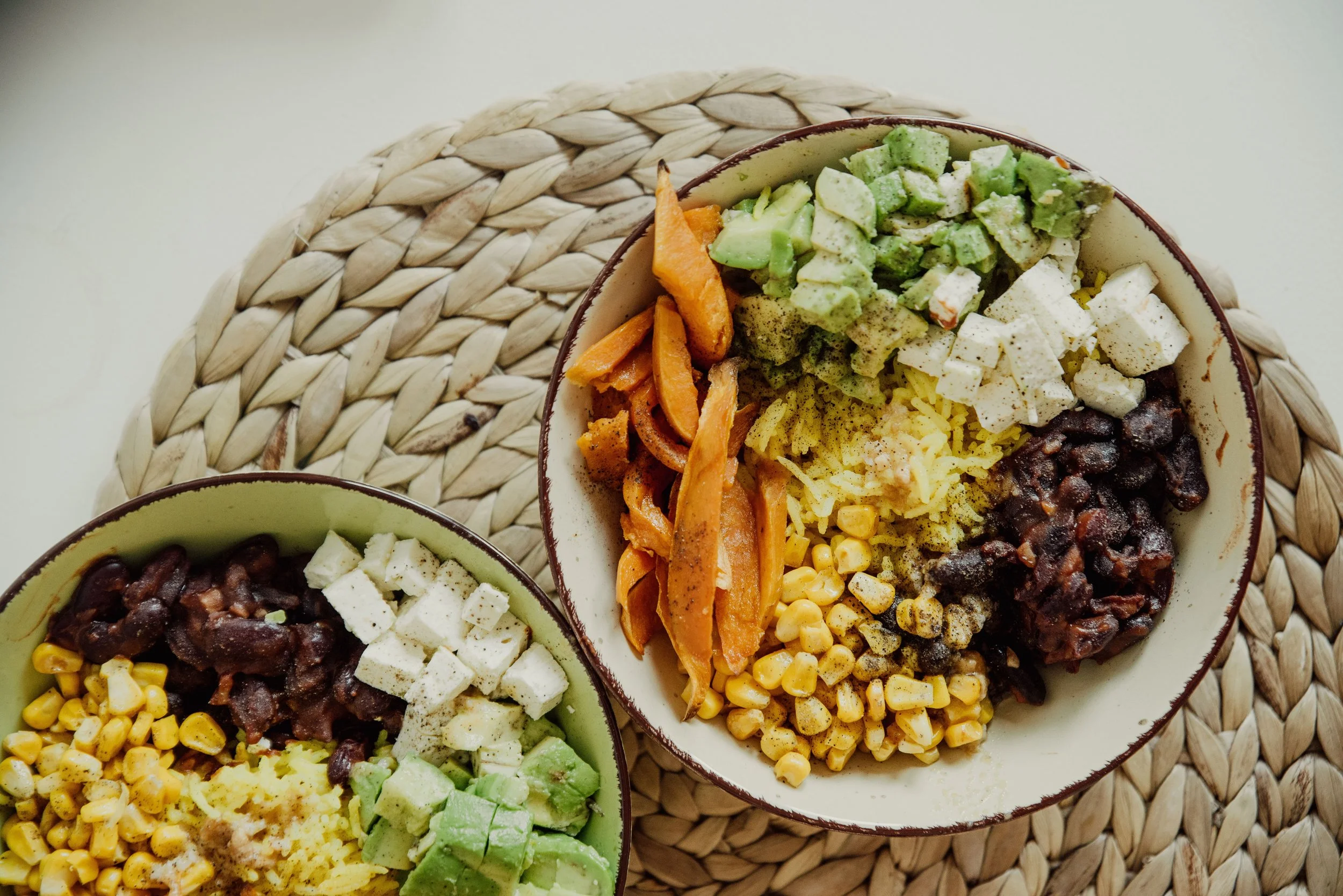
• Add before you subtract. Try adding one more fruit, vegetable, or whole grain to a meal instead of banning foods.
• Keep easy options within reach. Fruit, yogurt, nuts, or cut vegetables make simple snacks on busy days.
• Lean on budget-friendly staples. Frozen vegetables, canned beans, oats, and eggs are nutritious and affordable.
• Cook together. Letting children help choose and prepare a meal builds skills and makes them more likely to eat it.
• Eat at regular times. Long gaps between meals can leave people tired and irritable.
• Keep food talk neutral. Describe foods by what they do for the body rather than calling them "good" or "bad," which can bring shame and worry to the table.
• Notice how you feel. Paying attention to your mood and energy after meals can teach you more than any rulebook.
• Watch for big changes. A sharp shift in a child's appetite or eating habits, especially alongside changes in mood, is worth a conversation with a doctor.
Food is only one part of mental health. Sleep, movement, relationships, stress, and access to care all matter too, and no diet can replace them. Still, what we eat is one of the few daily habits most of us can shape, even in small ways. You do not need a perfect plate. A few steady, kind changes, made together as a family, can support both body and mind.
References
1. Lane MM, Gamage E, Travica N, Dissanayaka T, Ashtree DN, Gauci S, et al. Ultra-processed food consumption and mental health: a systematic review and meta-analysis of observational studies. Nutrients. 2022;14(13):2568. doi:10.3390/nu14132568.
2. Marx W, Lane M, Hockey M, Aslam H, Berk M, Walder K, et al. Diet and depression: exploring the biological mechanisms of action. Mol Psychiatry. 2021;26(1):134-150. doi:10.1038/s41380-020-00925-x.
3. O'Neil A, Quirk SE, Housden S, Brennan SL, Williams LJ, Pasco JA, et al. Relationship between diet and mental health in children and adolescents: a systematic review. Am J Public Health. 2014;104(10):e31-e42. doi:10.2105/AJPH.2014.302110.
4. Tucker JE, Brennan AM, Benton D, Young HA. A recipe for resilience: a systematic review of diet and adolescent mental health. Nutrients. 2025;17(23):3677. doi:10.3390/nu17233677.
5. Jacka FN, O'Neil A, Opie R, Itsiopoulos C, Cotton S, Mohebbi M, et al. A randomised controlled trial of dietary improvement for adults with major depression (the 'SMILES' trial). BMC Med. 2017;15:23. doi:10.1186/s12916-017-0791-y.
