

How Our Mental Health Affects Our Physical Health
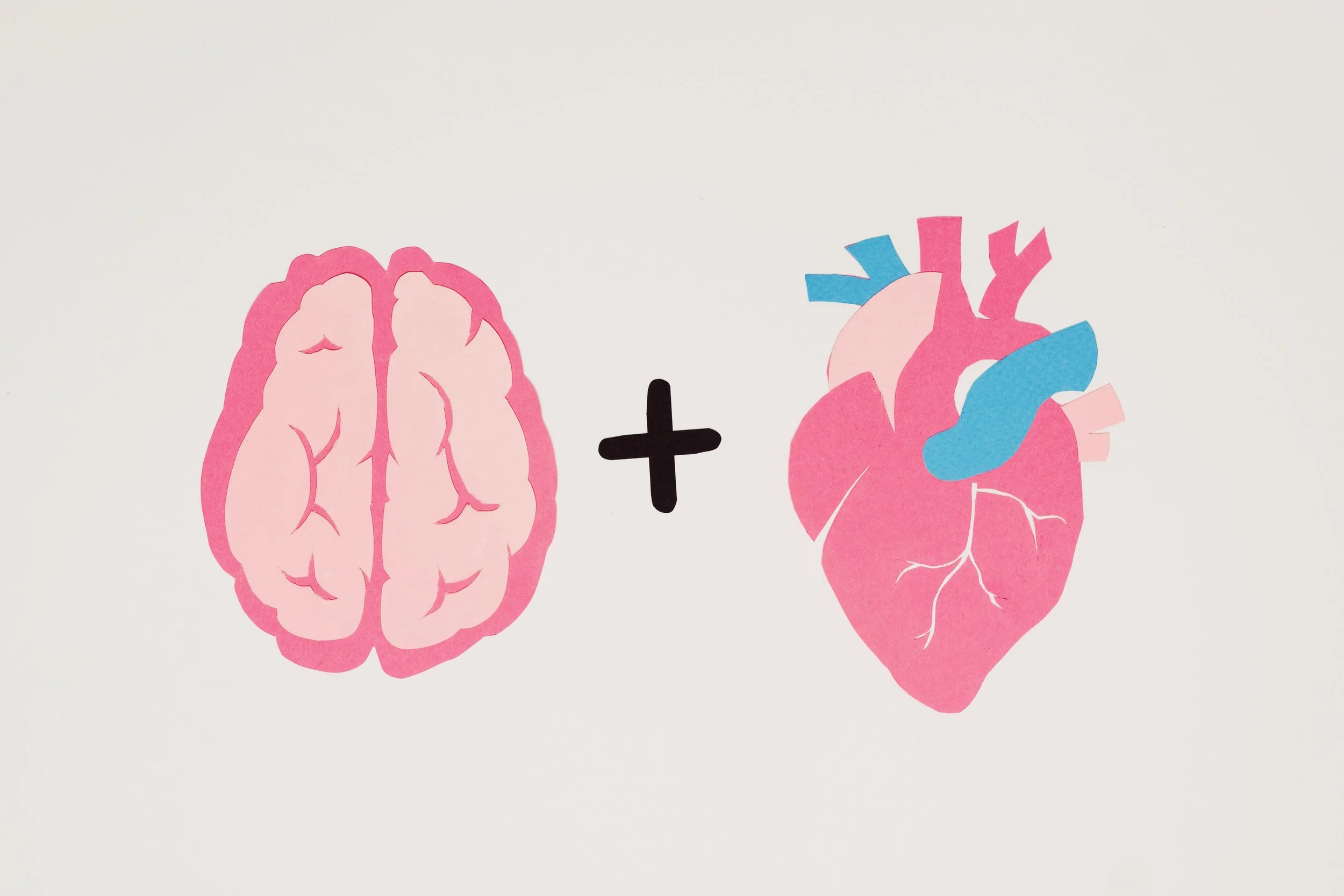
Both mental and physical health contribute to our overall health and well-being. It’s important to remember that our thoughts, emotions, and stress levels affect our physical health. Our minds and bodies communicate with each other at all times. This means that changes in our mental health will show up physically.
How Stress Affects the Body
Experiencing stress is an expected part of life. Stress is our body’s natural response to a perceived threat. Our body may activate this stress response even if the event is not actually a threat. Stress, in the short term, is not necessarily negative. It can serve as a protective measure to keep us safe. However, when stress is constant or chronic, it can have negative effects on the body.
What is Chronic Stress?
Chronic stress is defined as the consistent feeling of stress, worry, pressure or overwhelm for a consistent period of time (Yaribeygi et al.). Chronic stress is often created when people feel overwhelmed for a consistent amount of time without treatment. This overwhelm can come from daily factors we face in life, such as work or school stress, relationship stress, or financial stress. Common side effects of long-term stress are difficulty sleeping, low energy levels, impaired cognitive function, and anxiety. When people experience chronic stress, the body does not have a chance to reset and recharge. Unfortunately, stress can increase over time and can become familiar for people experiencing it. This can make it difficult for people to recognize it and make changes when needed. This can affect one of the most important systems of the body that protects us from sickness. Our immune systems need reset and recharge periods to function properly.
The Immune System and Stress
Our immune systems keep us protected from illnesses. A strong immune system can lead to a healthier and longer life (Mariotti). Chronic stress can weaken our body’s natural immune response. This can cause us to get sick more often for longer periods of time. Our immune systems become less effective over time when our bodies are under constant stress. While stress may seem harmless, chronic stress can weaken our bodies slowly over time. Stress increases inflammation in the body, which can lead to other health concerns.
How Mental Health Affects Different Parts of the Body
Long-term stress affects our physical health in a variety of ways. The most common physical symptoms seen with chronic stress are heart disease, sleep disturbances, eating disturbances, and digestive issues. Poor mental health (and high stress levels) can negatively impact different parts of our bodies (Momen et al.).
Brain Function: Chronic stress can weaken our cognitive function and how our brains process information. When people experience high levels of chronic stress, they may experience having a difficult time concentrating, memory issues, or feeling brain fog. High stress levels make it more difficult to make decisions and stay present in life. When our brains are constantly under chronic stress, it has less time to learn, focus, and have clarity. A weakened brain function can also make it more difficult for our brains to regulate emotions. When people experience chronic stress, they may also experience rumination or racing thoughts. The mental overload caused by chronic stress can make everyday tasks seem difficult, if not impossible.
Physical and Muscle Pain: Chronic stress manifests in the body, oftentimes as physical tension or pain. This tension is typically in the neck, shoulders, or jaw. These pains, over time, can lead to headaches, soreness, and overall discomfort. When our bodies are constantly stressed, they don’t have a chance to relax. Muscle pain and tension can impact posture over time and make it more difficult to improve.
Digestive System: Many people may not realize how closely our brain and gut are connected. There is something called the “gut-brain connection” that refers to the connection between our brain and digestive system. This provides constant two-way communication through nerves throughout the body. This link explains why people experience stress and stomach issues. Chronic stress can also cause symptoms such as nausea and bloating. The body’s natural stress response can impact digestion by either making it move faster or slower. Poor mental health or high stress levels can affect a person’s hunger levels. Chronic stress can also disrupt healthy gut bacteria, which can lead to digestion issues, immune dysfunction, and mood issues. Sometimes people eat more when they’re stressed, and some people eat less. Sometimes people overeat or skip meals as coping mechanisms for other struggles. This can lead to disordered eating or eating disorders in some cases.
Heart and Blood Circulation: Chronic stress triggers an overactive “fight-or-flight” response, which can weaken the nervous system. This can increase heart rate and blood pressure if left untreated. Consistent stress over time can weaken the heart and affect circulation throughout the body. People who experience long-term high levels of stress are more likely to have heart-related illnesses.
Sleep: Chronic stress can also affect the effectiveness and length of sleep that a person gets. Sleep gives our bodies a chance to recharge. When we don’t get enough sleep, our mental and physical health suffers. Stress and anxiety can make it difficult for people to stay asleep or fall asleep. Poor levels of sleep can lead to low energy, decreased cognitive function, lower ability to cope with stress, and increased irritability. This can create a toxic cycle where stress makes sleep challenging, but poor sleep makes stress worse. Quality sleep levels are important for physical recovery and mental recovery.
Mental and physical health are deeply connected and are best supported together. Chronic stress can quietly take a toll on both, and many people experiencing it may not realize how much it is affecting them or where to begin when it comes to finding relief. The good news is that small, intentional steps can make a meaningful difference. Managing stress levels, prioritizing rest and self-care, and reaching out for professional support when needed are all ways to begin improving both mental and physical well-being. Taking care of our mental health is not separate from taking care of our bodies - it is one of the most powerful things we can do for our overall health. When we understand how closely the two are linked, we are better equipped to take a more balanced and compassionate approach to caring for ourselves.
References:
Mariotti, Agnese. “The Effects of Chronic Stress on Health: New Insights into the Molecular Mechanisms of Brain–Body Communication.” Future Science OA, vol. 1, no. 3, 2015.https://pmc.ncbi.nlm.nih.gov/articles/PMC5137920/
Mariotti, Agnese. “The effects of chronic stress on health: new insights into the molecular mechanisms of brain-body communication.” Future science OA vol. 1,3 FSO23. 1 Nov. 2015, doi:10.4155/fso.15.21. https://pmc.ncbi.nlm.nih.gov/articles/PMC11403178/
Yaribeygi, H., et al. “The Impact of Stress on Body Function: A Review.” EXCLI Journal, vol. 16, 2017, pp. 1057–1072.https://pmc.ncbi.nlm.nih.gov/articles/PMC5579396/
