

Day 3
Food is fuel—and it’s also information. Every bite sends signals to your brain and body about energy, satiety, and mood. Understanding basic nutrition helps you make choices that support long-term energy, focus, and wellbeing for yourself and your family.
Nutrition Basics
-
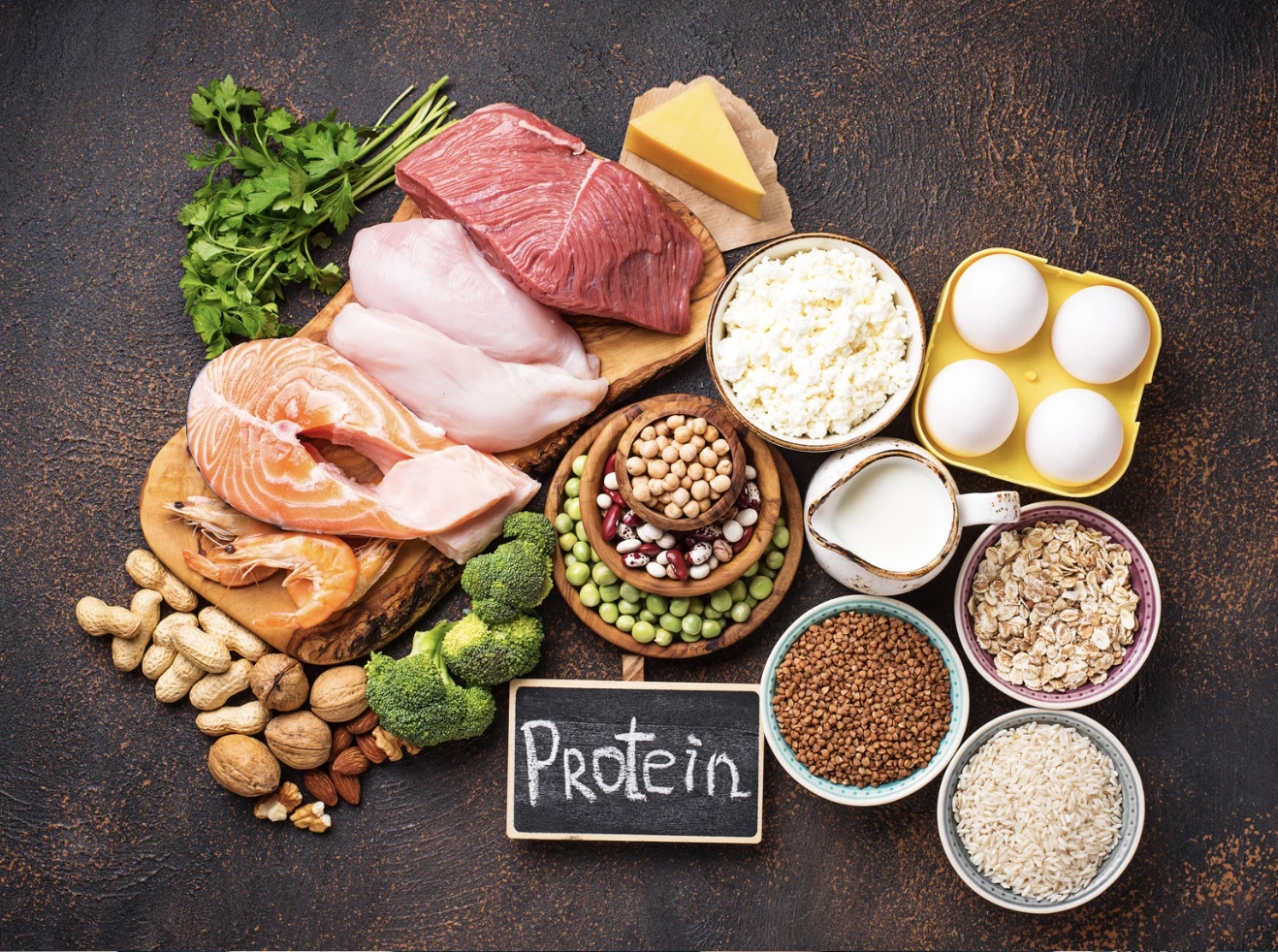
Supports muscle repair, immune function, and fullness. Including protein at each meal helps stabilize blood sugar and reduce cravings.
Examples: eggs, yogurt, chicken, beans, lentils.
-
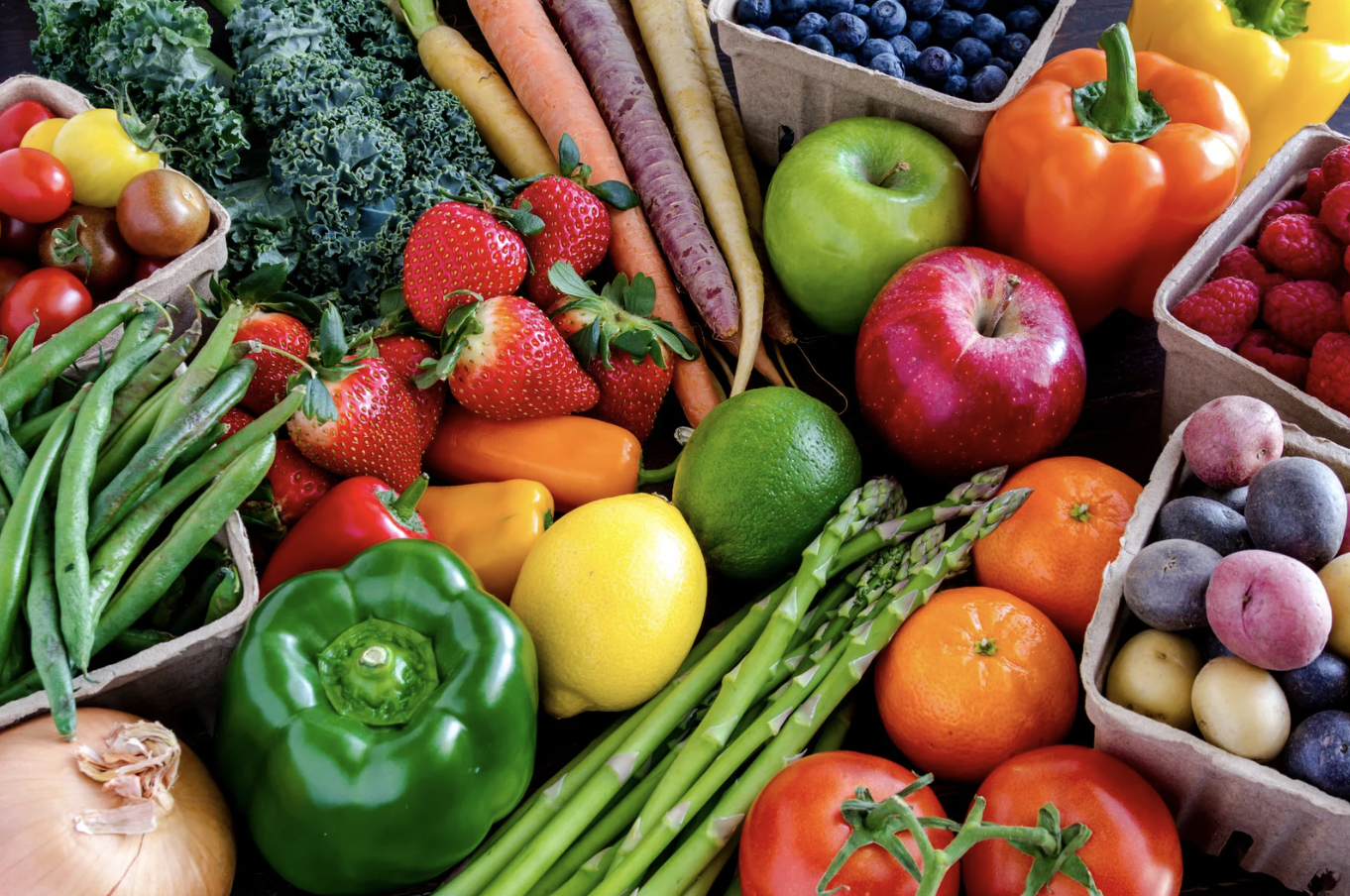
Found in vegetables, fruits, and whole grains, fiber slows digestion, stabilizes energy, supports gut health, and promotes fullness.
-
Essential for brain function, hormone balance, and heart health.
Examples: olive oil, avocado, nuts, seeds.
-
Consuming too much added sugar can cause energy spikes and crashes, affect mood, and increase the risk of long-term health issues like obesity and heart disease.
Aim to limit foods and drinks with high added sugar, like soda, candy, and many packaged snacks.
-
Water is crucial for digestion, energy, concentration, and overall cellular function. Even mild dehydration can affect mood and focus.

Why It Works
Research shows that balanced meals with protein, fiber, and healthy fat improve energy, mental clarity, and satiety. Planning ahead reduces the chance of last-minute choices that don’t support your goals and makes healthy eating realistic, even on busy days.
Practical Habits
Start by adding one extra serving of vegetables or fruit per day
Plan one balanced meal or snack ahead of time
Focus on progress, not perfection; small, consistent changes matter most
Looking for ideas to build balanced meals and snacks? Check out our recipes page for simple, family-friendly options you can use all week long!
Key Takeaways
Healthy habits are built gradually, not all at once
Balanced meals improve energy, focus, and mood
Planning ahead makes healthy eating practical and sustainable
Challenge Check-In
✅ Plan one balanced meal per day
✅ Add at least one fruit or vegetable to a meal or snack