

Week 2
Stress can happen to anyone. But most families never learn to recognize what stress looks like in real time, or what to do when it shows up. This week is about understanding how stress can affect our bodies, emotions, and behavior, and giving your family a few simple, repeatable tools to find calm when things feel loud, tense, or overwhelming.
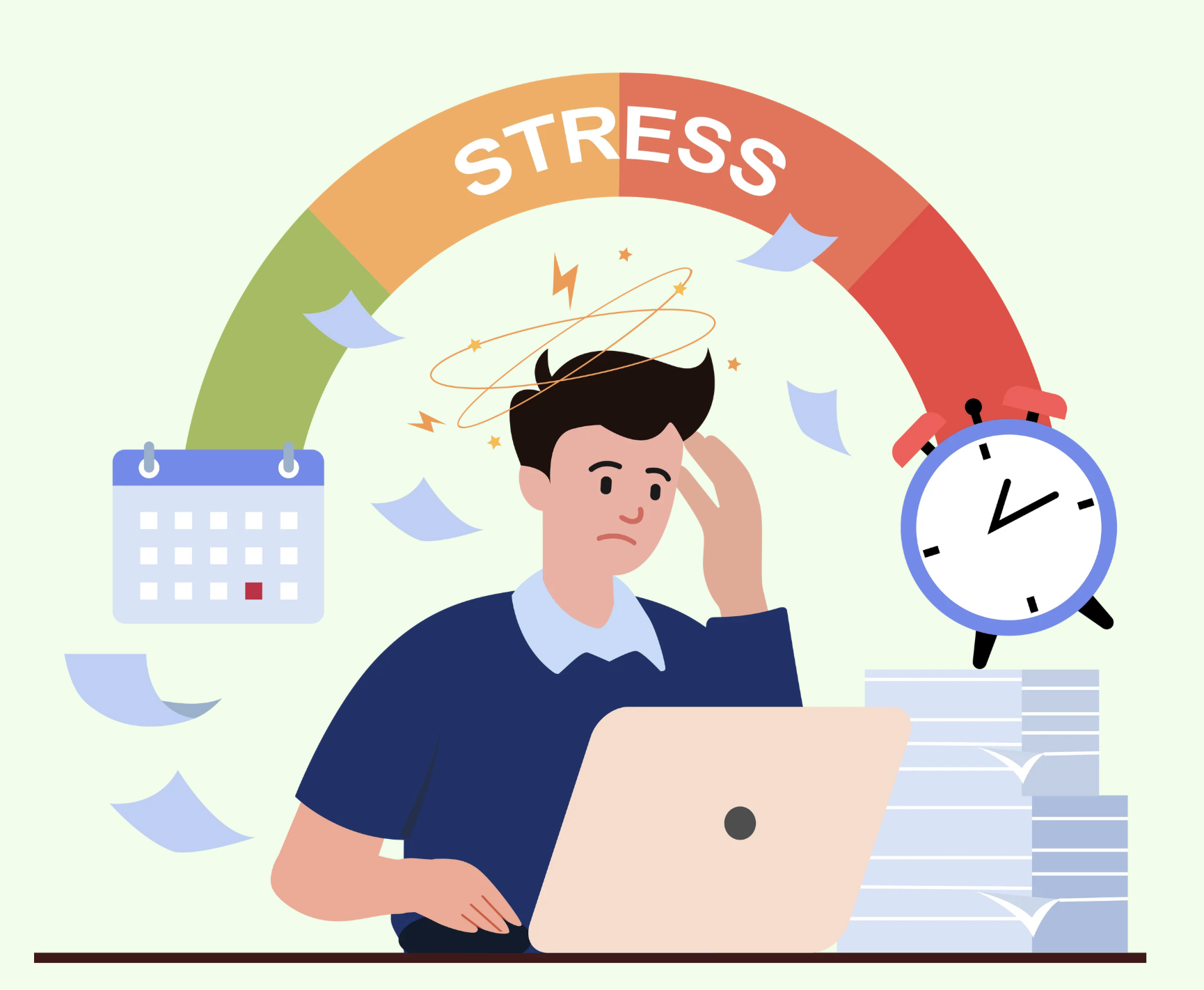
Stress Lives in the Nervous System, Not the Situation
When the brain perceives a threat, real or not, the nervous system shifts into a fight, flight, or freeze response before a person has consciously decided anything. That's why a child melting down over a broken crayon, or an adult snapping over a dropped dish, often has very little to do with the crayon or the dish. The nervous system reacted first; the story came after. Understanding this takes the shame out of it, for kids and grown-ups alike.
Regulation Is a Skill, Not a Personality Trait
Some people aren't "naturally calm" and others "naturally anxious." Regulation, the ability to notice rising stress and bring the body back to baseline, is a skill that gets built through repetition, the same way a muscle does. Deep breathing, grounding techniques, and sensory tools work because they give the nervous system a physical off-ramp, not because they're magic.
Co-Regulation Comes Before
Self-Regulation
Children (and honestly, most adults) can't self-regulate in a vacuum, they borrow calm from the people around them first. A caregiver's steady breathing, low voice, and grounded presence teaches a dysregulated nervous system what calm feels like before it can find that state on its own. Modeling calm isn't about suppressing your own stress; it's about showing your family what working through it looks like.

SEE IT IN PRACTICE
A child comes home wound up after a hard day, slamming doors, short with everyone. Instead of "calm down" or "stop being dramatic," a parent might sit nearby, breathe slowly and visibly, and say: "Your body looks like it's carrying a lot right now, want to sit with me for a minute?" No lecture and no rush to fix the moment, just a calm presence that helps the child begin to settle.