

Week 1
Every emotion your family feels, big or small, comfortable or uncomfortable, is information, not a problem to fix. Kids (and adults) aren’t born knowing how to name what’s happening inside their bodies. When we teach that skill early, we give our whole family a shared language for connection instead of confusion.
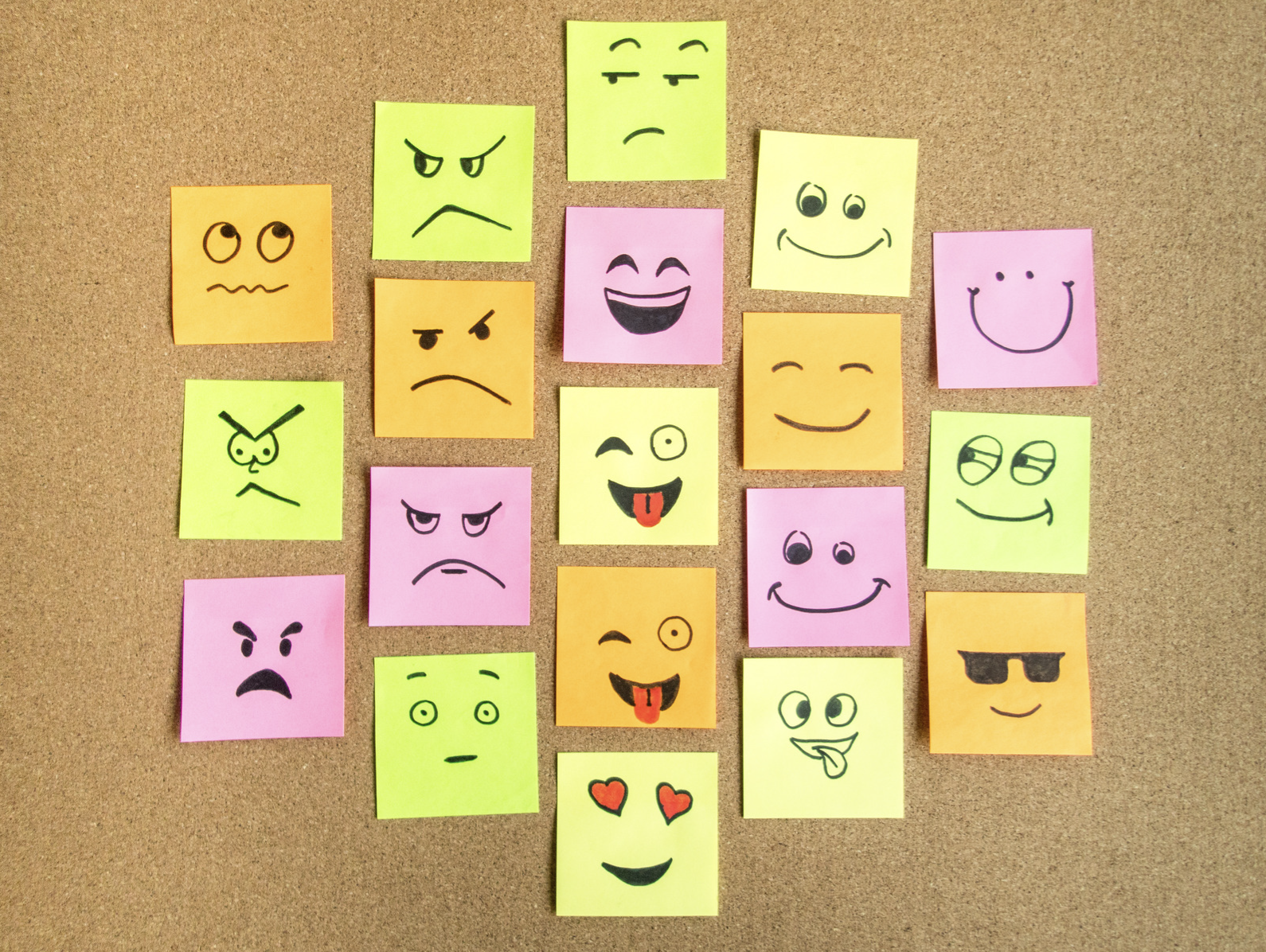
All Emotions Are Normal
There’s no such thing as a “bad” emotion, only unhelpful ways of expressing one. Anger, sadness, jealousy, and fear all serve a purpose. When we label emotions as good or bad, we teach children (and ourselves) to hide the “bad” ones instead of understanding them. Emotional safety starts with permission: It’s okay to feel this.
Emotions Live in the Body
Before a child can say “I’m frustrated,” their body often says it first: A tight chest, a stomachache, restlessness, fatigue, irritability. Helping families notice these physical cues, in themselves and each other, builds the bridge between feeling and naming. A simple check-in like “where do you feel that in your body?” turns confusion into awareness.
Validation, Not Correction
When someone shares a feeling, the goal in the moment isn’t to fix it, debate it, or minimize it (“you’re fine,” “it’s not a big deal”). It’s to validate it, to let the person know the feeling makes sense, even if the reaction needs work. Validation says “I see you.” Correction shuts the door on future honesty; validation keeps it open.

SEE IT IN PRACTICE
A child comes home from school and snaps at a sibling over nothing. Instead of “don’t talk to your brother like that”, a parent might try: “Your body seems tense, what’s going on?” That shift, from correcting behavior to validating feeling, is the whole practice this week.