Week 6: Gather, Share, & Connect
Preparing and sharing meals can be about much more than what's on the plate. Cooking together gives families opportunities to learn new skills, work as a team, and create lasting memories. Whether you're making a favorite family recipe or trying something new, every meal is a chance to connect.
This week, we will explore ways to build confidence in the kitchen, create balanced meals using simple ingredients, and make family mealtimes meaningful. Remember, every family looks different, and every shared meal is an opportunity to learn, grow, and enjoy time together.
Kitchen Confidence
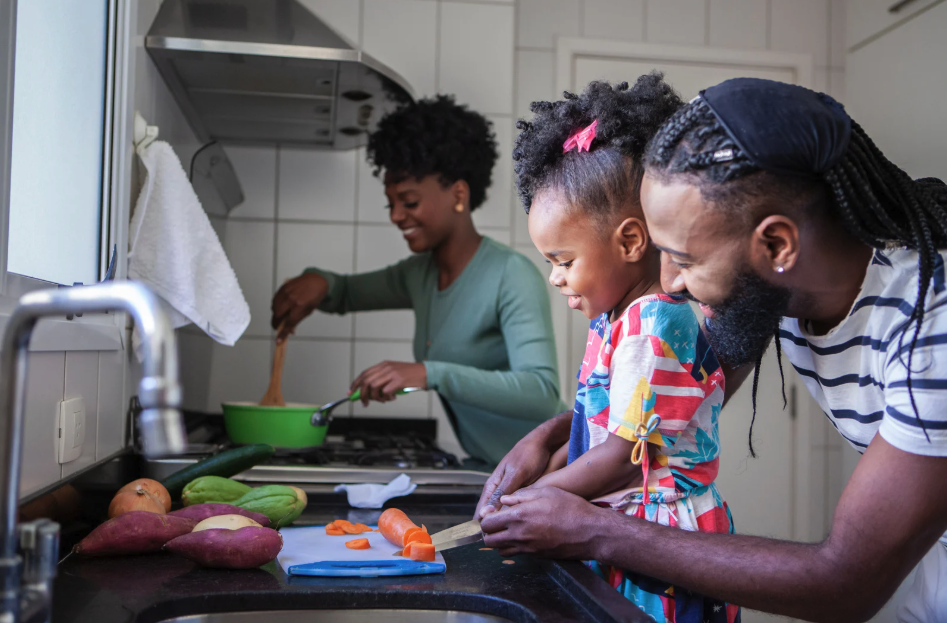
The kitchen is a wonderful place to learn, explore, and spend time together. Whether you're preparing a homemade meal, assembling sandwiches, or heating leftovers, inviting children to participate helps build confidence and teaches valuable life skills.
Children don't have to do every step on their own to be involved. Working alongside a trusted adult gives them opportunities to practice following directions, measuring ingredients, solving problems, and trying new foods. As their skills grow, so does their confidence.
Remember, cooking together doesn't have to be complicated. Shortcuts like frozen vegetables, pre-cut fruit, rotisserie chicken, canned beans, or simple recipes can make meal preparation more manageable while still creating meaningful opportunities to learn and connect.
Children can help in many age-appropriate ways, including:
🥕 Washing fruits and vegetables
🥣 Stirring and mixing ingredients
🧀 Sprinkling cheese or toppings
🍓 Measuring ingredients
🥬 Tearing lettuce or herbs
🥪 Assembling sandwiches or wraps
🍽️ Setting the table
🧽 Helping with simple cleanup tasks
Giving children choices can also make cooking more engaging. Invite them to choose between two vegetables, pick a fruit for snack time, help select a recipe for the week, or decide which herbs or seasonings to add. Small decisions help children feel included and encourage curiosity about food.
Each time families cook together, children have the opportunity to build independence, develop practical skills, and create positive memories that can last well beyond the meal.
Bringing Healthy Habits to the Table
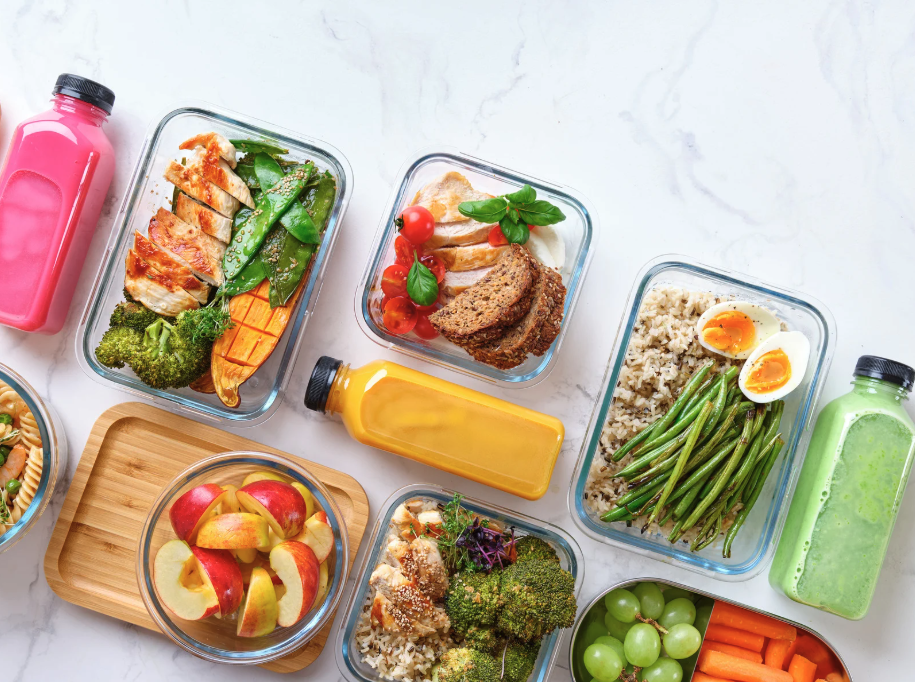
Over the past several weeks we've explored the building blocks of healthy eating, including balanced meals, colorful fruits and vegetables, hydration, and choosing foods that help fuel our bodies. This week is an opportunity to put those ideas into practice in ways that fit your family's routines, preferences, and budget.
As you prepare meals together, think about simple ways to build on what you've already learned. Small changes can make a meaningful difference, and every meal is a chance to practice healthy habits.
For example, you might:
Add a colorful vegetable to a favorite meal.
Serve fresh fruit alongside breakfast or as a simple dessert.
Include a source of protein to help keep everyone feeling satisfied.
Swap a refined grain for a whole grain when it works for your family.
Add beans or lentils to soups, tacos, pasta dishes, or salads for extra fiber and protein.
Let children choose a new fruit or vegetable to try together.
Most importantly, focus on building habits that feel realistic for your family. Small, consistent choices made over time can support lifelong healthy eating.
Family Mealtime Connection
Sharing a meal gives families an opportunity to slow down, reconnect, and enjoy one another's company. While busy schedules, work, school, and activities can make it difficult to eat together every day, even one shared meal each week can create meaningful opportunities for conversation and connection.
Family meals provide time to celebrate successes, talk through challenges, share laughter, and learn about one another's day. These everyday conversations help children feel heard, strengthen relationships, and create a sense of belonging within the family.
You don't have to prepare an elaborate meal or wait for a special occasion to enjoy these moments. Breakfast before school, lunch on the weekend, dinner around the table, or even picnic at the park can all provide opportunities to connect.
Creating a Calm & Welcoming Environment
Putting away phones and other distractions.
Taking turns listening while each person shares.
Encouraging everyone to participate in the conversation.
Celebrating small wins and offering support during challenges.
Enjoying the meal without rushing whenever possible.
Conversation Starters
What made you smile today?
What was something new you learned?
What challenged you today?
What are you looking forward to tomorrow?
What is one way someone showed kindness today?
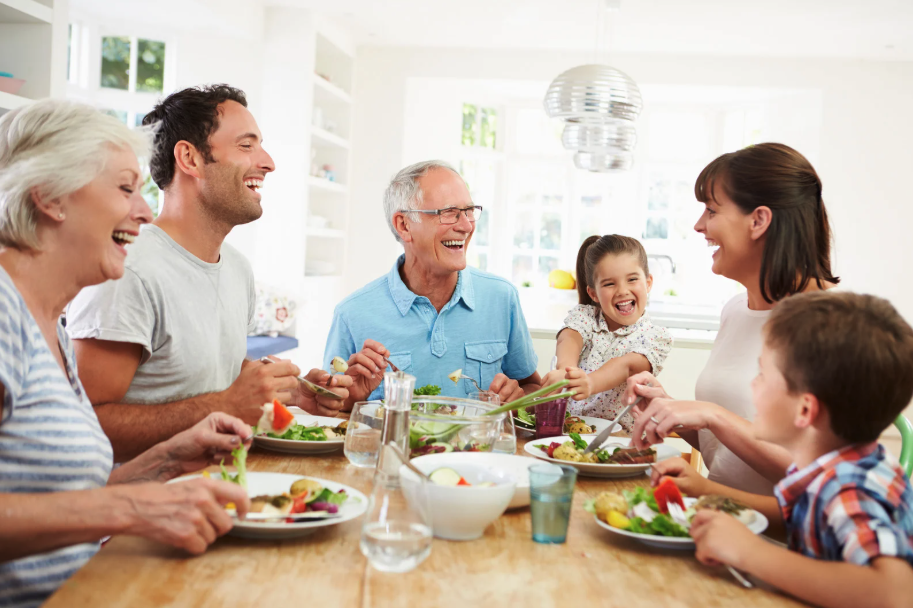
There is no perfect recipe for meaningful family meals. What matters most is spending time together, listening to one another, and creating opportunities for connection whenever you can.
Family Reflection
After your family meal, talk together about your experience:
What kitchen task did each person enjoy the most?
How did everyone contribute to preparing or sharing the meal?
Did we find a simple way to practice one of the healthy habits we've learned during this program?
What conversation or moment made us feel most connected?
What is one family meal or recipe we'd like to make together?
Remember that some of life's most meaningful moments happen in the everyday routines we share. Preparing meals, gathering around the table, and enjoying time together help build healthy habits, confidence, and lasting family traditions. Every meal is another opportunity to learn, connect, and create memories that nourish both our bodies and our relationships.