Week 2: Fuel for Summer Fun
This week focuses on how we fuel our bodies for summer fun, movement, and growth. Food and hydration help our bodies feel energized, focused, and ready to enjoy each day.
Both adults and kids experience big differences in energy based on what and when they eat and drink. This week helps families begin noticing those patterns while focusing on balance, variety, and listening to our bodies.
Building Balanced Meals
Food gives our bodies the energy and nutrients we need to learn, play, grow, and enjoy our summer adventures.
A balanced meal does not need to be complicated or expensive. It simply means including a variety of foods that work together to help our bodies feel energized, satisfied, and supported.
The goal this week is to build habits that are realistic, enjoyable, and sustainable.
What Makes a Balanced Meal?
A balanced meal is a combination of:
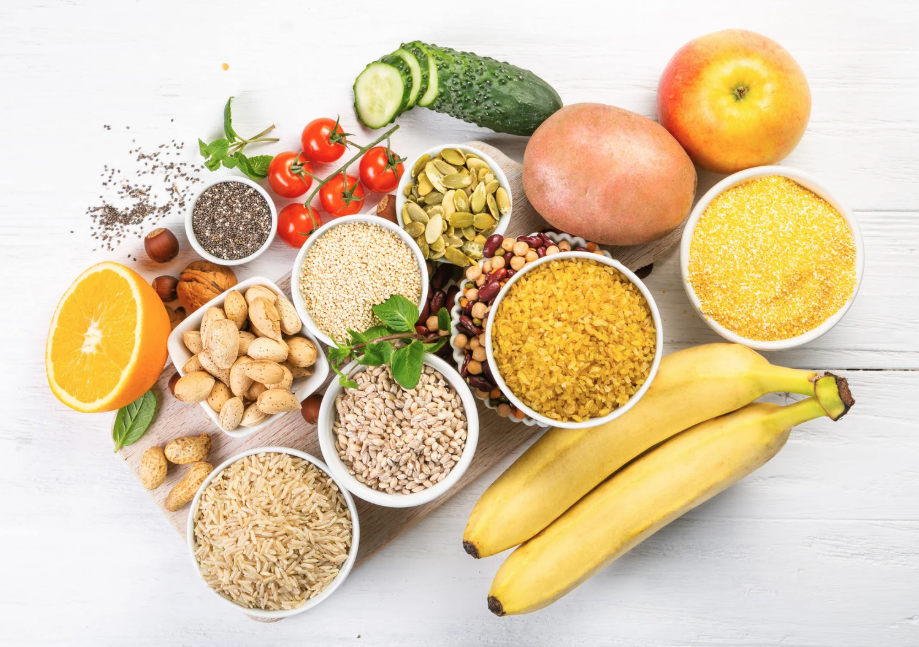
Carbohydrates = Energy
Carbohydrates are one of our body’s main sources of energy. They help fuel our brains and muscles for everyday activities.
Examples:
Rice
Pasta
Bread
Potatoes
Oats
Corn
Fruit
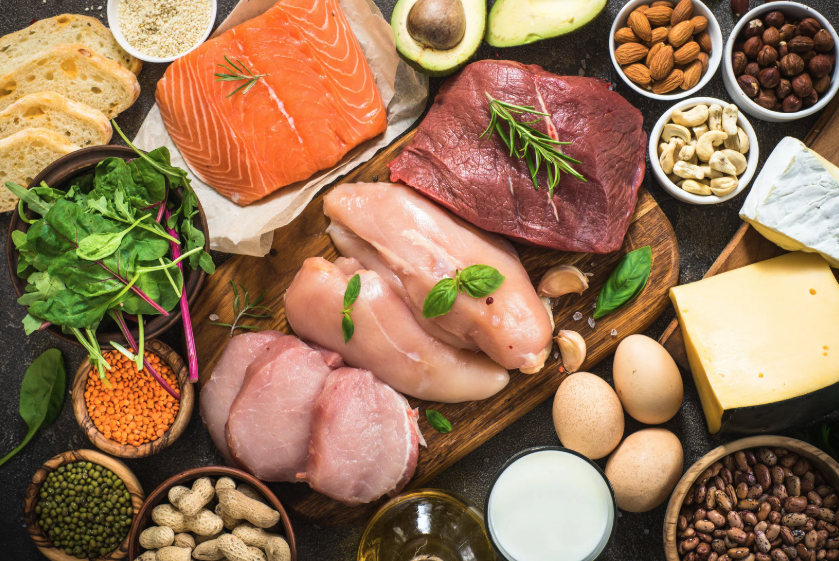
Protein = Growth & Repair
Protein helps our bodies grow, build strength, and repair muscles. Protein can also help meals and snacks keep us feeling full and satisfied.
Examples:
Eggs
Chicken
Fish
Beans & Lentils
Yogurt & Cheese
Tofu
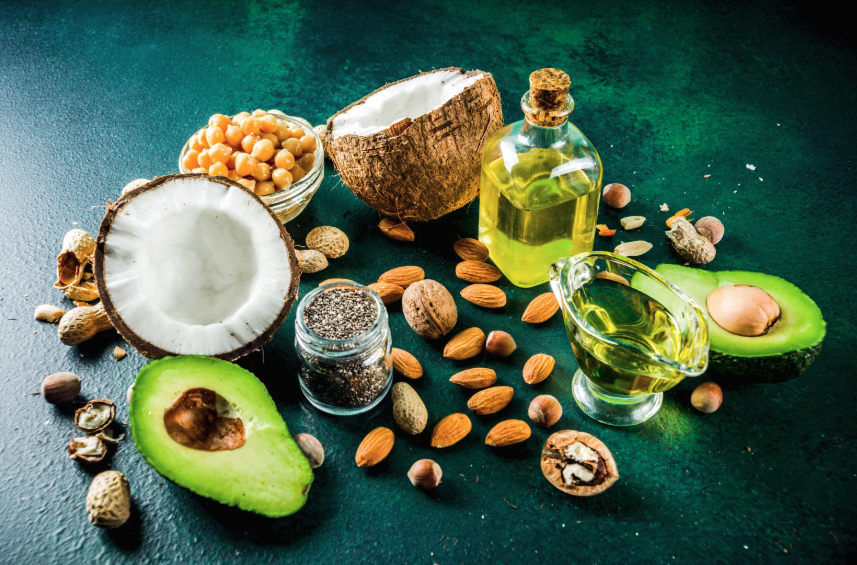
Healthy Fats = Brain & Body Support
Healthy fats support brain health, help our bodies absorb certain vitamins, and provide longer-lasting energy.
Examples:
Avocado
Nuts and seeds
Nut butters
Olive oil
Fatty fish
Fruits & Vegetables = VITAMINS, MINERALS & Fiber
Fruits and vegetables are nutrient-rich foods that help support overall health and wellbeing. They help with immune health, digestion, energy, and overall wellness.
Eat the Rainbow 🌈
Different colors often mean different nutrients, so aim for variety. The more color on your plate, the more likely you are getting a wide range of important nutrients.
Examples of Balanced Meals
-
Oatmeal + berries + peanut butter
Eggs + toast + fruit
Yogurt + granola + fruit
-
Turkey or hummus sandwich + vegetables + fruit
Rice bowl with chicken, vegetables, and avocado
Pasta with protein + side vegetables
-
Fish + potatoes + vegetables
Tacos with beans/meat + vegetables + avocado
Stir fry with protein, vegetables, and rice
Helping Kids Build Healthy Habits
Children learn through practice and exposure. A healthy relationship with food grows over time.
Families can encourage balanced eating by:
Offering a variety of foods regularly
Letting children help prepare meals
Including familiar foods alongside new foods
Avoiding pressure to “finish everything”
Encouraging children to notice hunger and fullness
Simple Guide to Building a Balanced Plate
1. Choose an energy food
(carbohydrate)
2. Add a protein
3. Add a fruit or vegetable
4. Include a healthy fat when possible
Fueling Active Bodies
Our bodies are constantly using energy to grow, learn, play, and move. Whether we're riding bikes, playing at the park, swimming, or simply enjoying a busy summer day, our bodies need regular fuel to keep us feeling energized.
The balanced meals and snacks we learned about above provide the nutrients our bodies need to play longer and enjoy activities, stay focused during games and learning, maintain steady energy throughout the day, and recover after being active.
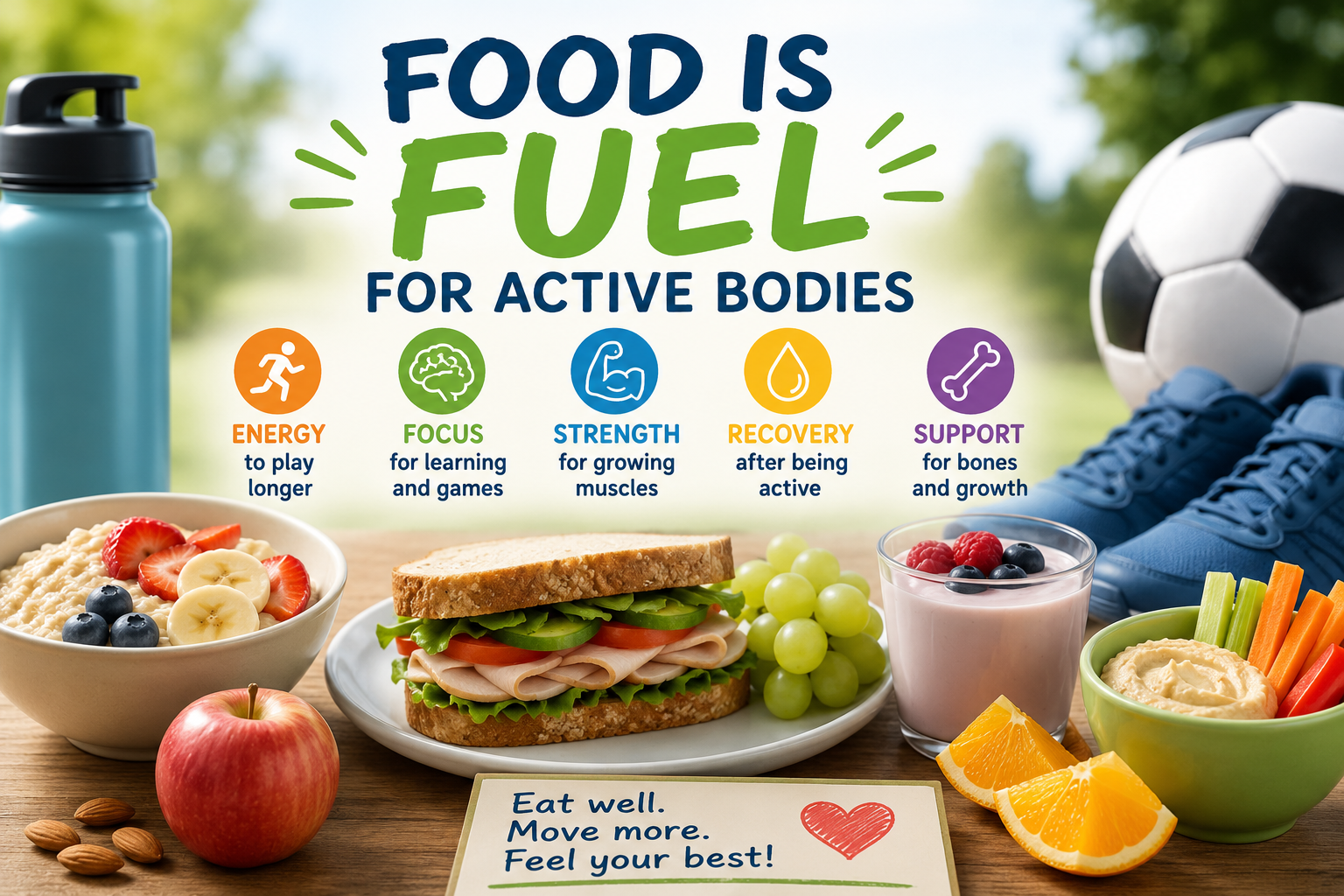
Fueling Active Bodies
Before being active, our bodies benefit from foods that provide energy. Carbohydrates help fuel our muscles and brain, while adding a source of protein can provide longer-lasting energy and help us stay satisfied during activity.
Examples:
Banana with peanut butter
Yogurt with fruit
Whole grain toast with egg
Crackers with cheese
Refueling After Activity
After active play, our bodies need nourishment to recover and recharge. A balanced meal or snack provides the nutrients our bodies need after movement.
A post-activity meal or snack can include:
Protein to support muscle growth and repair
Carbohydrates to replenish energy stores
Fluids to replace water lost through sweating and support hydration
Examples:
Smoothie with fruit and yogurt
Turkey or hummus sandwich
Rice with grilled chicken and vegetables
Chocolate milk or milk with fruit
Family Reflection
As you enjoy meals and snacks together this week, take a moment to notice how food helps support your body throughout the day.
Try asking:
"What foods are helping give us energy today?"
"What colors do we see on our plates?"
"How does my body feel after eating?"
"How did this snack or meal help me feel before or after our activity?"
Food helps fuel our bodies for learning, playing, growing, and spending time together. Paying attention to how different foods help us feel can build healthy habits that last well beyond summer.