Week 4: Nature & Wellness
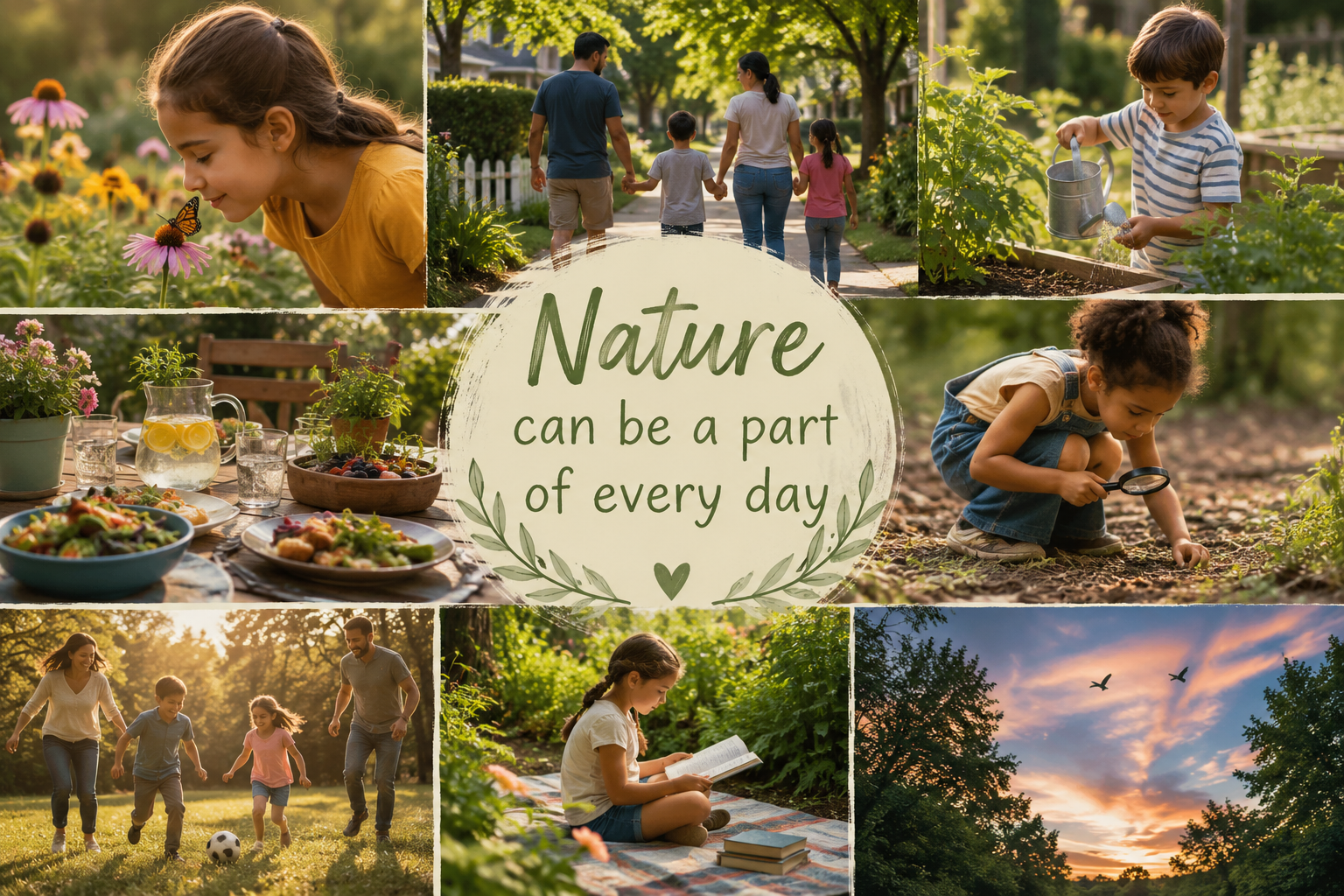
Nature Can Be Part of Every Day
Finding opportunities to spend time outdoors can be easier than we think. A few minutes outside before or after school, eating lunch on the patio, tending a garden, or taking an evening walk are all simple ways to bring nature into your family's routine.
These everyday moments encourage curiosity, create opportunities for movement and connection, and allow families to experience the many benefits of spending time outdoors. As you explore this week's content, look for simple ways to enjoy nature throughout your day.
Nature offers countless opportunities to support our health and well-being while creating meaningful moments together as a family.
Connecting with the outdoors doesn't require a big adventure or a special destination. Nature can be found in everyday places—a backyard, a neighborhood walk, a local park, or simply by taking a moment to notice the trees, birds, plants, and sky around us.
This week, we'll explore how spending time outside can support physical health, emotional well-being, creativity, and family connection. Along the way, you'll discover simple ways to enjoy the outdoors, encourage active play, and create healthy habits that fit naturally into your family's everyday routine.
The Benefits Of Time Outdoors
Being outdoors can support our emotional wellness in many ways. Nature gives our brains a chance to slow down from the busy pace of everyday life. Outdoor spaces often provide opportunities for creativity, curiosity, and calm. Even a few minutes outside can help families feel more connected and refreshed.
How Nature Supports Our Well-Being
Time outdoors can support:
Focus & Attention
Nature gives our brains a break from constant stimulation.
Outdoor experiences can help us:
Reset after busy days
Improve focus
Feel more present
Create space for imagination
Examples:
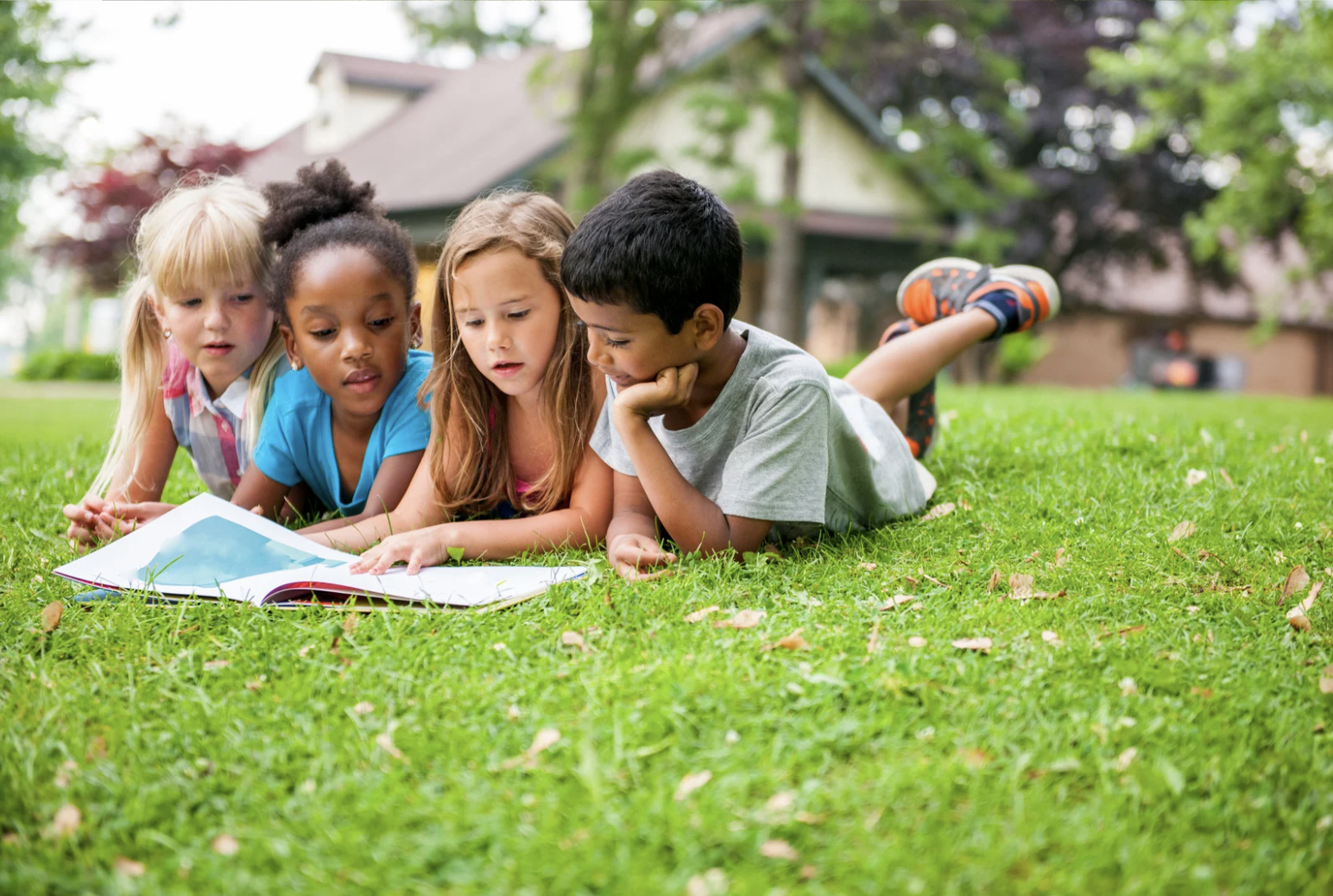
Reading outside
Looking for birds or insects
Watching clouds
Exploring plants
Mood & Stress Relief
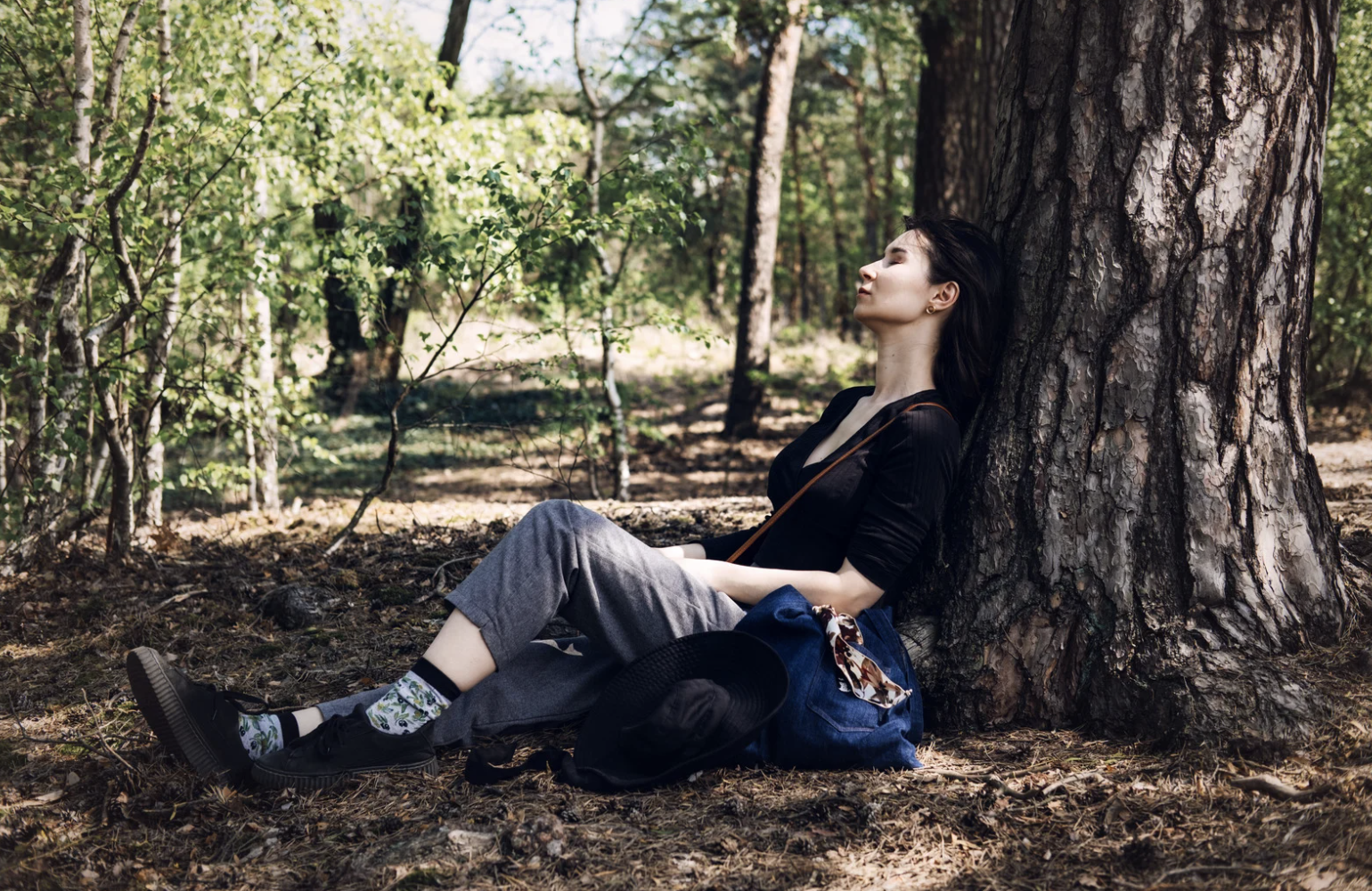
Nature can help us feel more calm and relaxed. Sometimes a simple change of environment can make a big difference.
Outdoor time may help:
Reduce feelings of stress
Improve mood
Create a sense of calm
Support emotional balance
Try asking:
“How do I feel before going outside?”
“How do I feel after spending time outdoors?”
Creativity & Imagination
Nature encourages curiosity. Unlike many indoor activities with specific rules, outdoor spaces allow children to create their own experiences. Unstructured play helps children practice problem-solving, independence, and creativity.
Examples:
Building forts
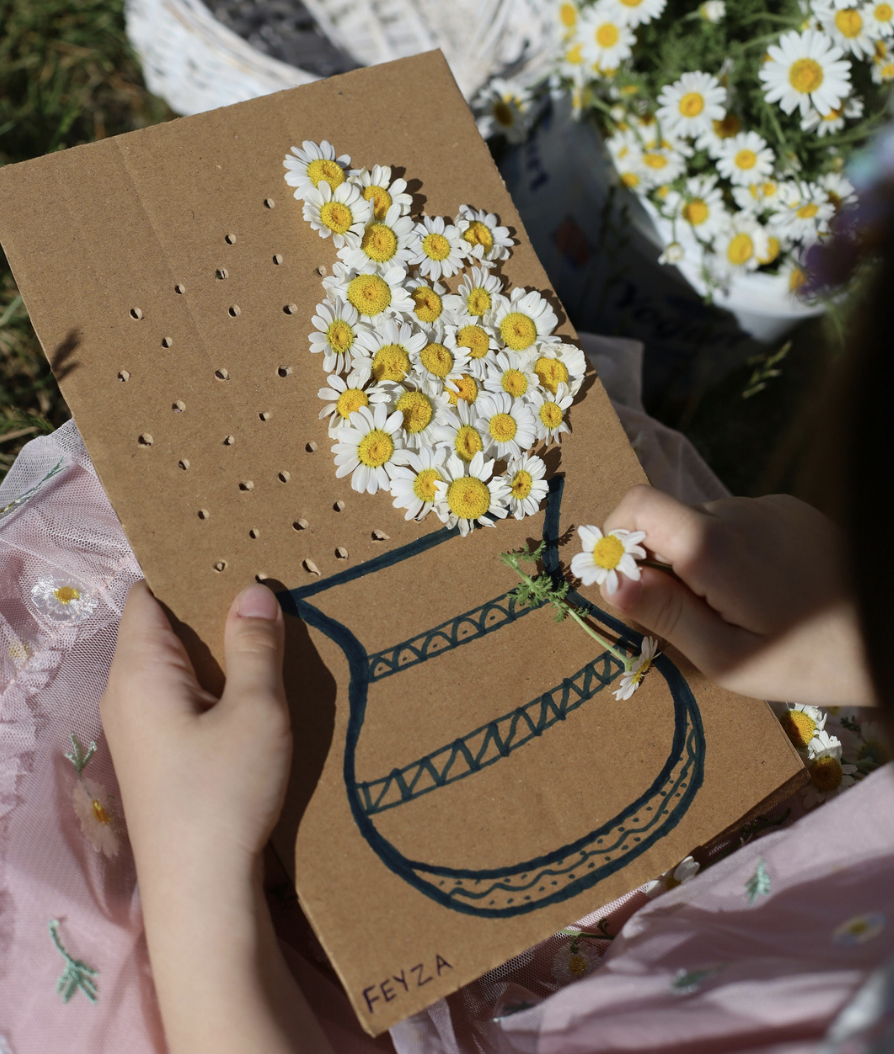
Creating nature art
Making up games
Exploring textures and sounds
Outdoor Movement & Play
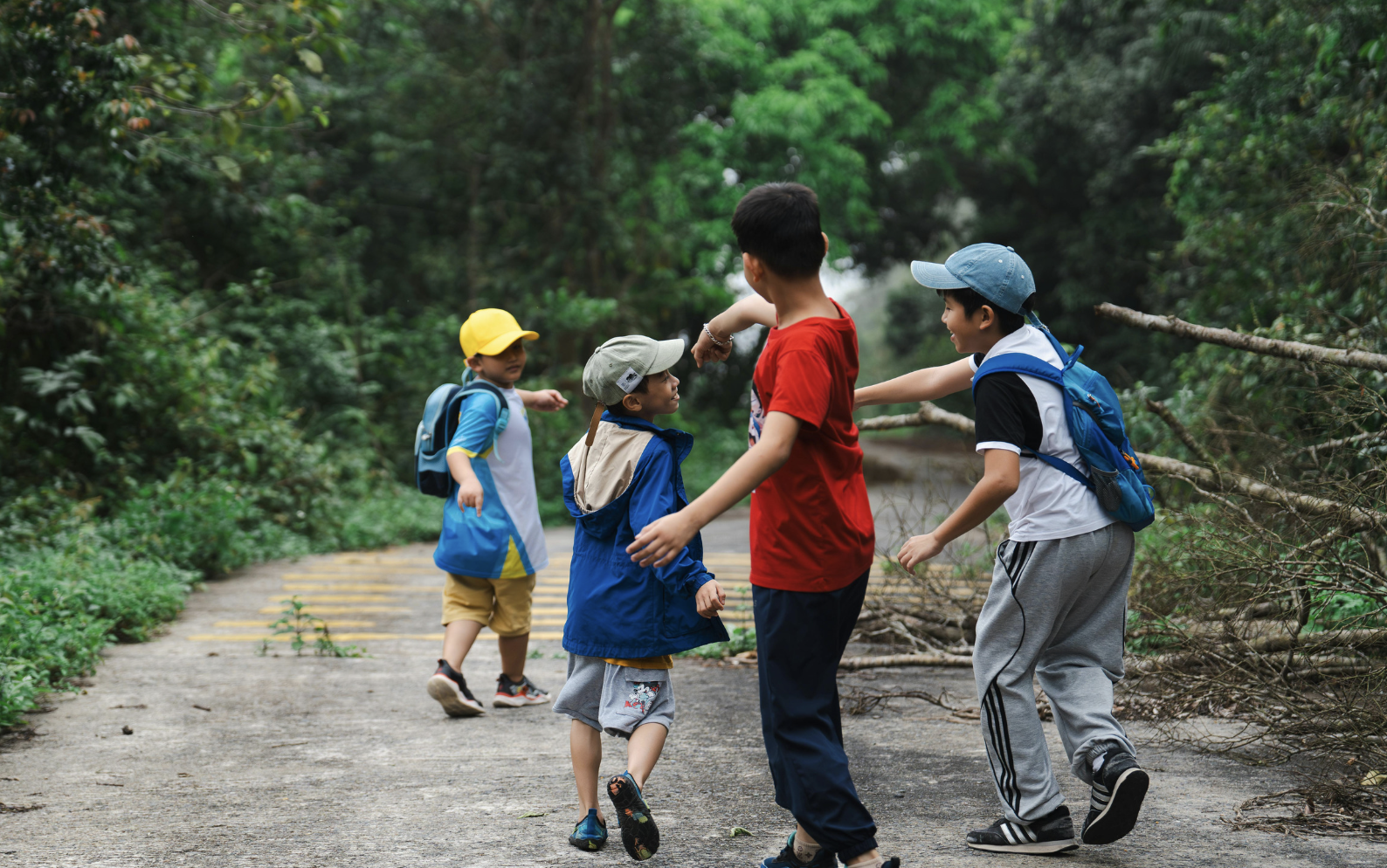
Nature and movement naturally work together. Outdoor spaces give families room to move, explore, and play in ways that feel different from indoor activities. Outdoor movement is often less structured giving kids a chance to run, climb, jump, explore, and make up games.
Outdoor Play Supports
-
Strength
Balance
Coordination
Endurance
-
Problem-solving
Creativity
Decision-making
-
Confidence
Independence
Resilience
WAYS TO MOVE OUTDOORS
-
Walk and notice what you see
Look for different plants, animals, or colors
-
Find:
Something green
Something smooth
Something tiny
Something that makes you smile
-
Tag
Hide-and-seek
Obstacle courses
Jumping games
-
Bike rides
Scooters
Family walks
Creating Healthy Screen Balance
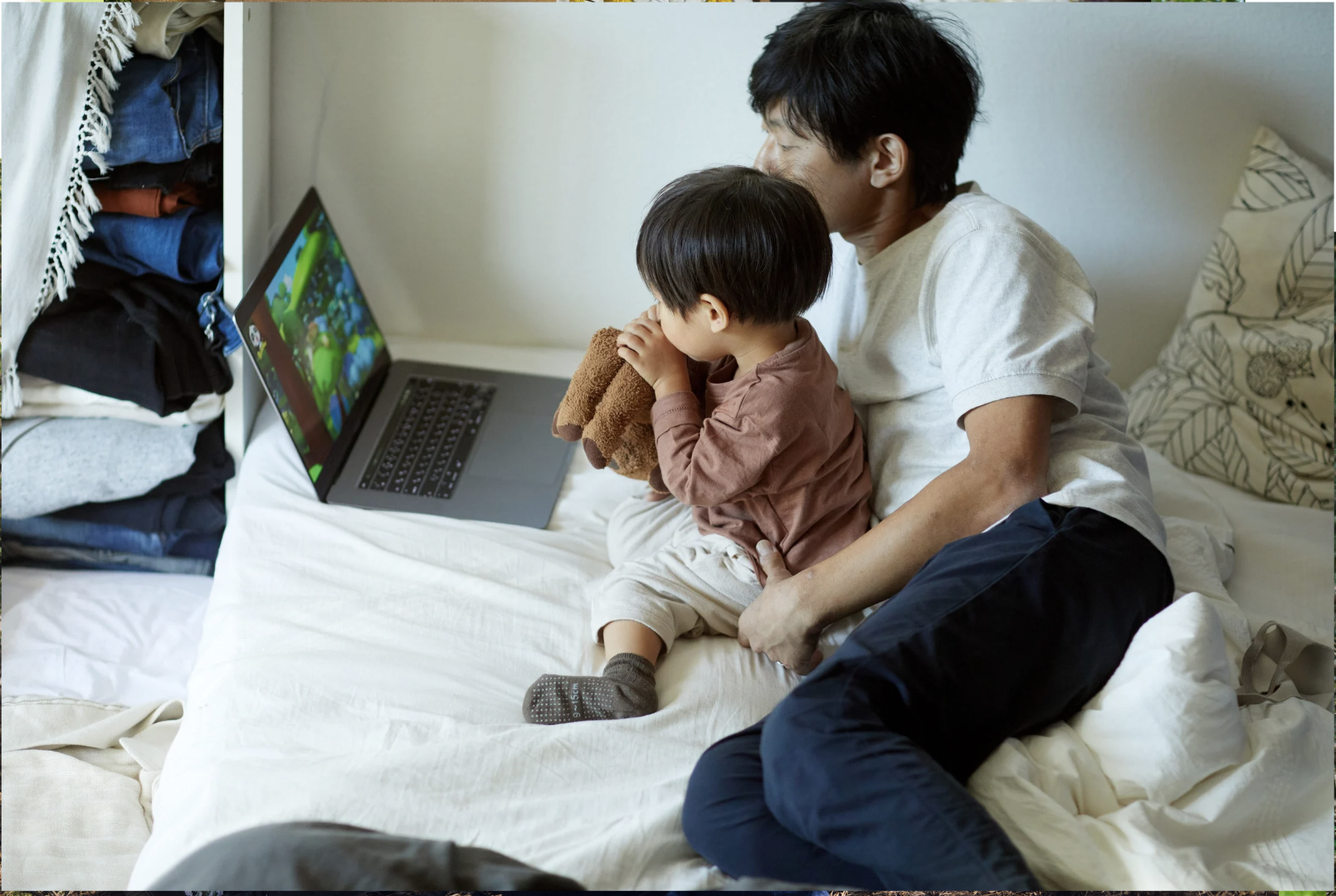
Technology can be a fun and valuable part of summer. It can provide opportunities for entertainment, learning, creativity, and staying connected with others. Creating a healthy balance means being intentional about how and when we use screens while also making time for movement, outdoor adventures, rest, and meaningful family connection. Finding a rhythm that works for your family can help everyone enjoy the benefits of technology while creating space for other experiences that support overall well-being.
What Does Healthy Screen Use Look Like?
Healthy screen habits look a little different for every family. The goal is to use technology intentionally while making time for the other activities that help us learn, connect, move, and recharge.
A few simple habits can help:
Being mindful of when and why we use screens
Taking regular movement or outdoor breaks
Creating screen-free family moments throughout the day
As a family, consider asking:
"Are our screens helping us connect or pulling us away from connection?"
"How do we feel after spending time on our devices?"
Creating More Offline Opportunities
Building screen-free moments into your day doesn't have to be complicated. Small changes can create more opportunities for movement, conversation, and family connection.
Some ideas include:
Enjoying breakfast together before reaching for devices
Spending a few minutes outside each morning
Choosing outdoor play or a family activity before screen time
Taking an evening walk together
Reading a book or talking about the day's highlights before bed
These simple routines can help create a healthy balance between technology and the many other experiences that support your family's well-being.
Family Reflection
As you enjoy time outdoors together this week, take a few moments to reflect as a family:
What did we notice while spending time in nature?
How did we feel after being outside?
When did we feel most connected as a family?
Did we find any new opportunities to unplug and enjoy time away from our screens?
What outdoor activity or healthy habit would we like to continue after this week?
Every family experiences nature in their own way. Whether you spent a few minutes outside each day or enjoyed a longer adventure together, those moments helped create opportunities for movement, curiosity, mindfulness, and connection. Keep looking for simple ways to enjoy the outdoors and carry these healthy habits with you throughout the rest of the summer.